February 23, 2023
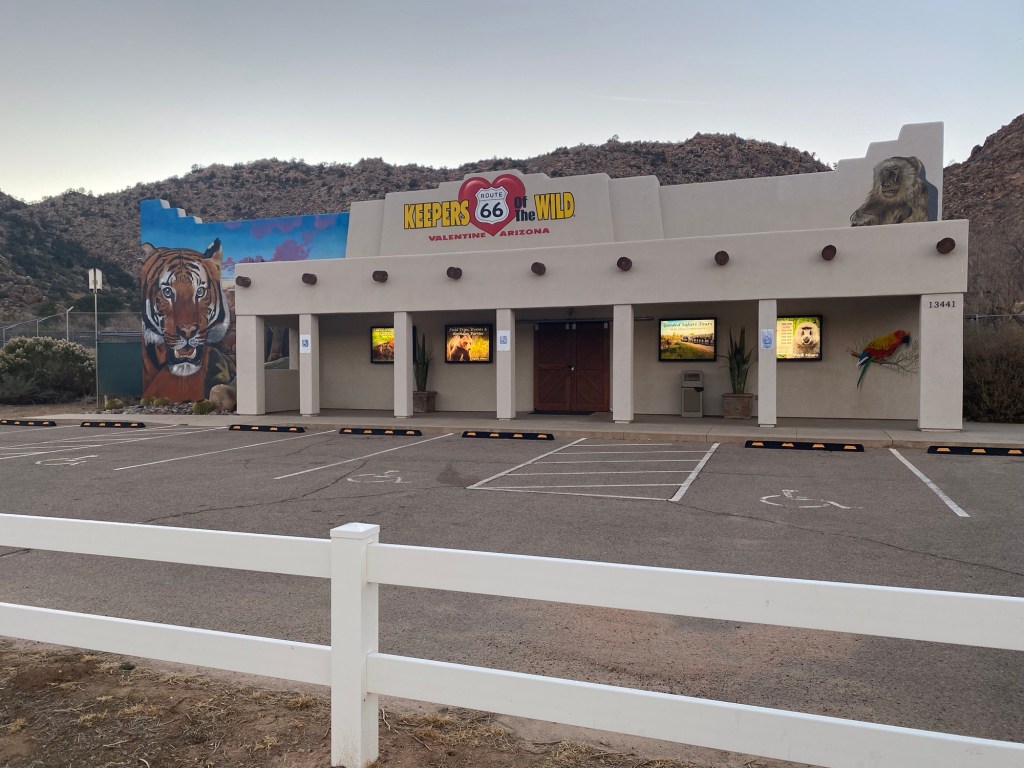
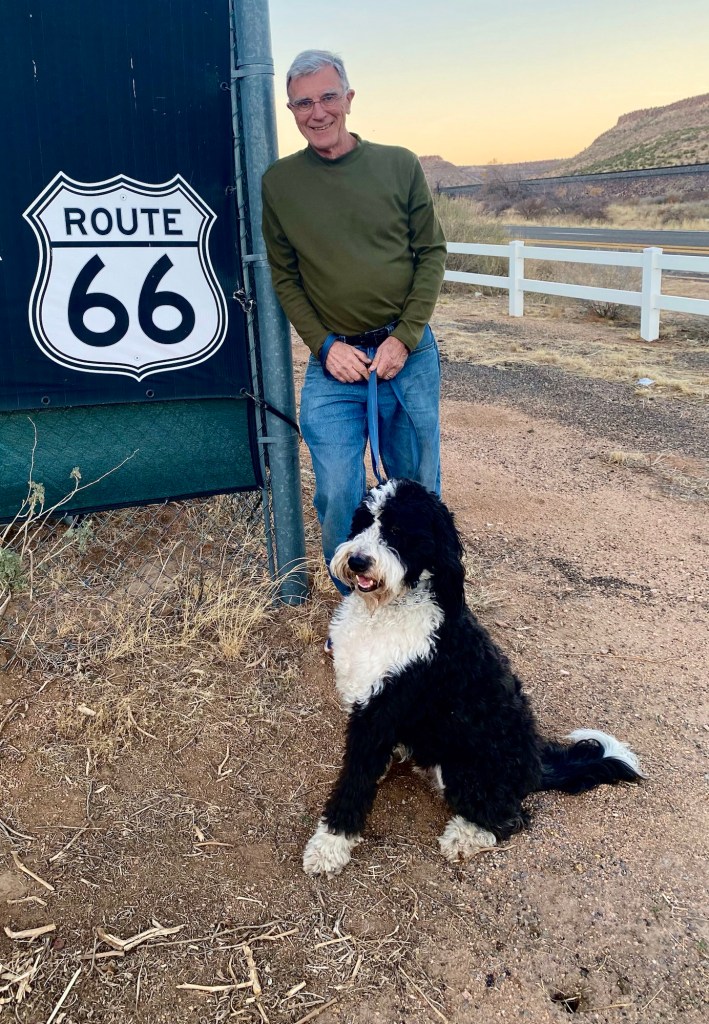
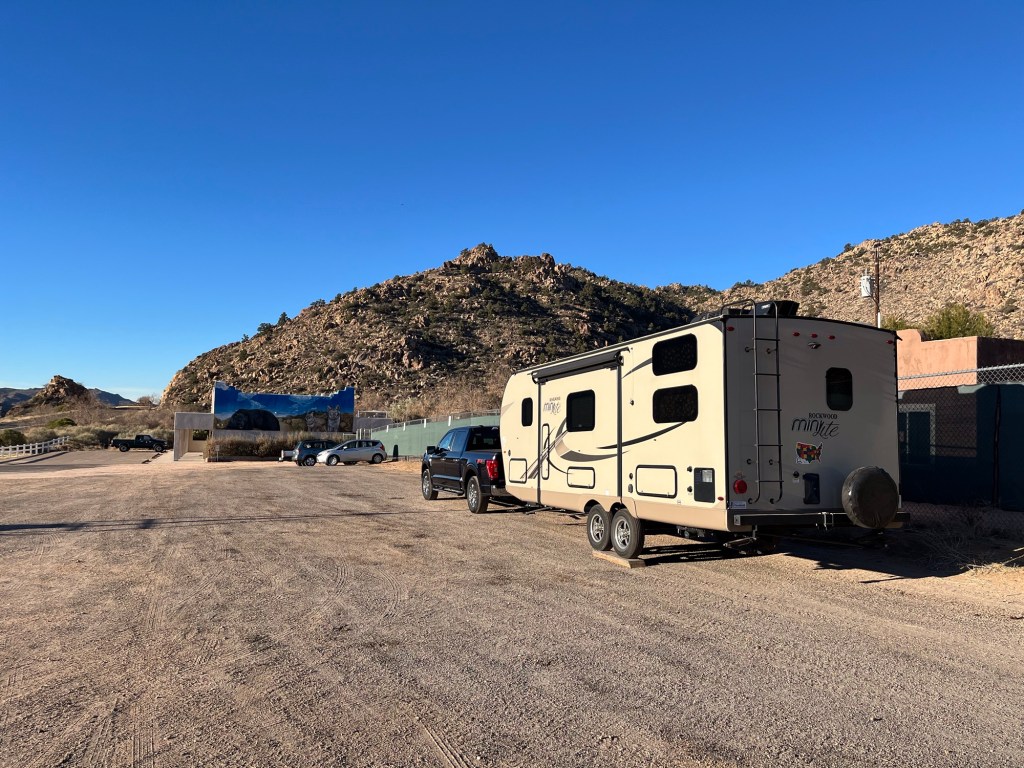
This afternoon we pulled up to dry camp at Keepers of the Wild. For those of you new to the blog…let me explain dry camping briefly. This is totally self contained camping…you get nothing from the host. Some Walmarts or Cracker Barrel’s or some businesses like that allows campers to park their rig for the night free. You can also dry camp anywhere in the wild where you have no amenities.
We belong to a paid group that offers opportunities for camping without electricity, water or sewer, called Harvest Hosts. In this case, we pay a small annual fee and then we camp for free at any of their membership establishments but they would like you to spend some money in the establishment. When we were in Vermont, for example, we camped at a Maple Tree/ Syrup farm and we came home with Maple Syrup for the kids!
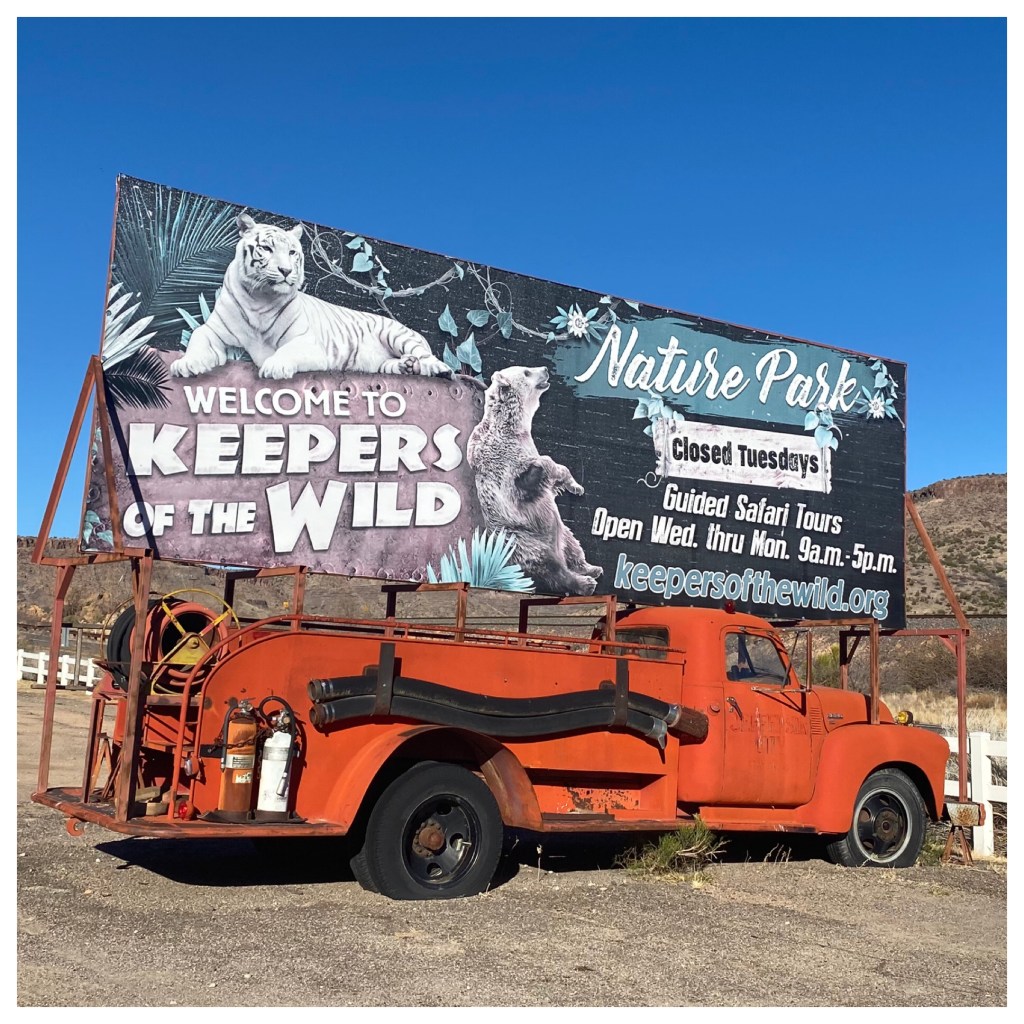
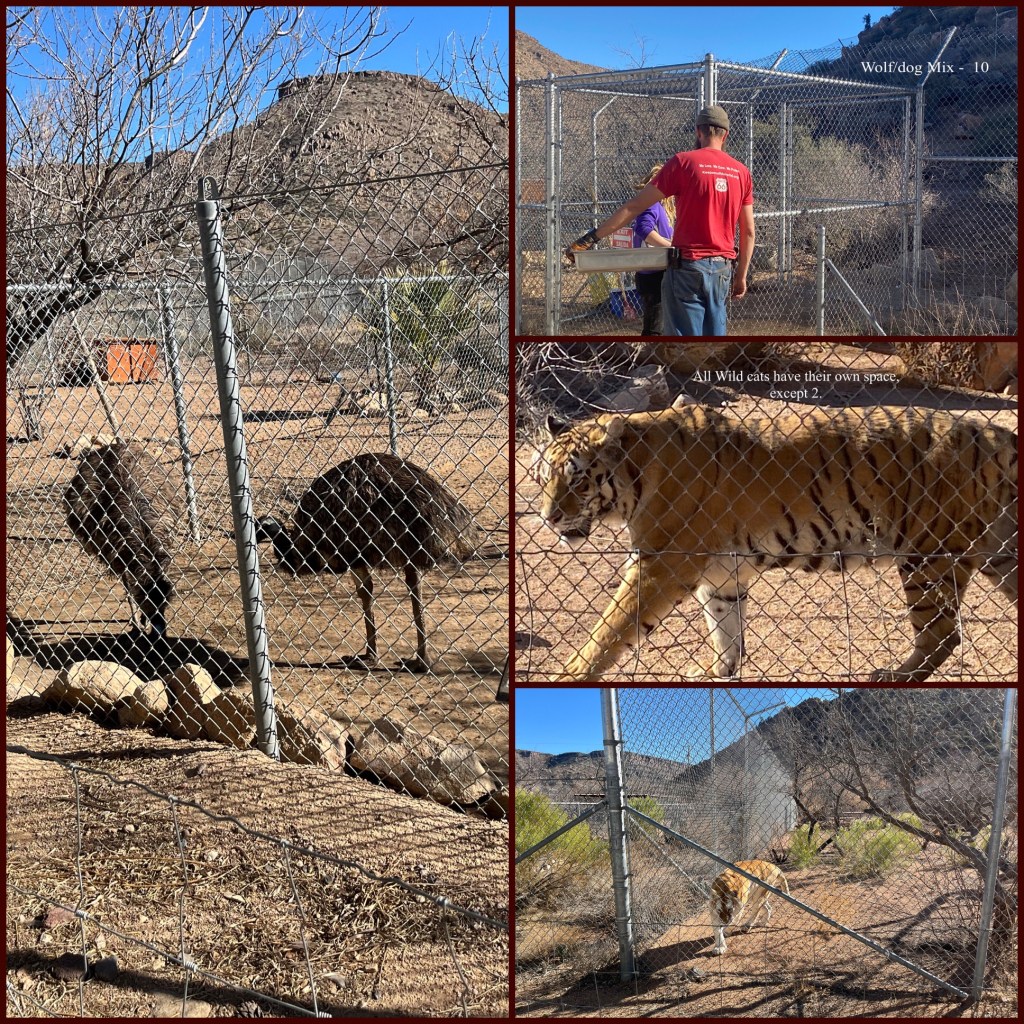
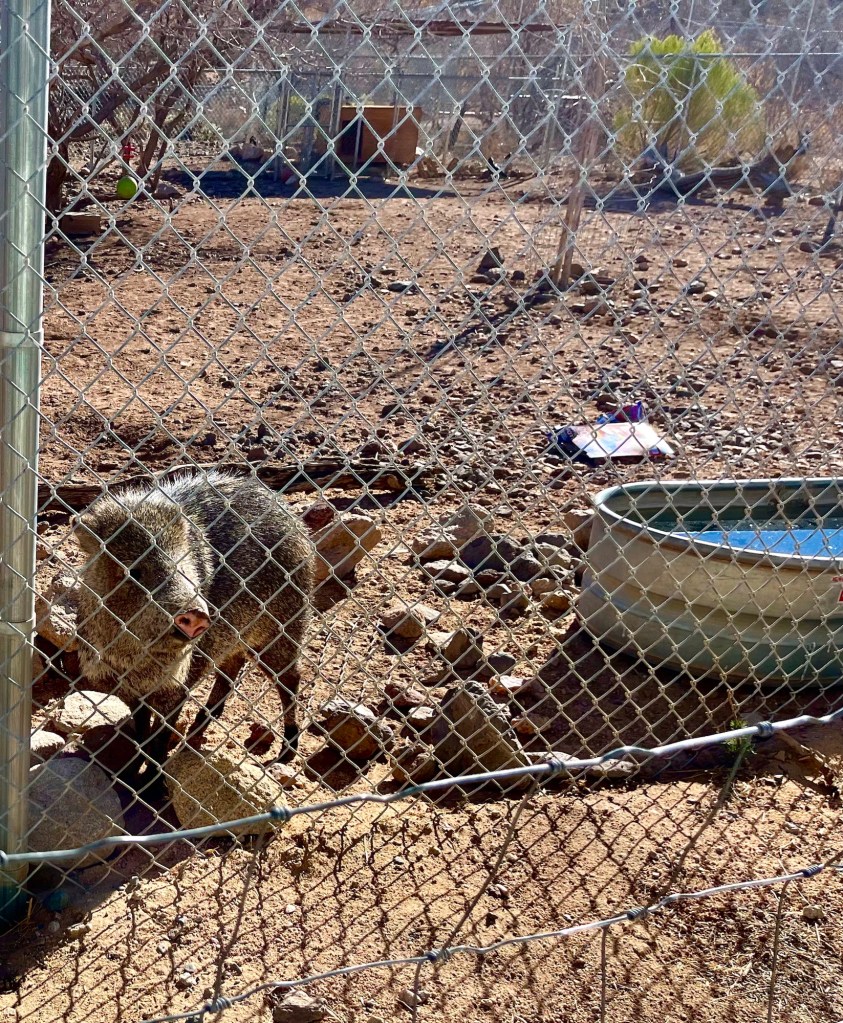
Keepers of the Wild is a refuge for wild animals that cannot be placed back into their environment , for various reasons and they will remain here for the rest of their life. This is where we camp tonight. Their mission is to care for and protect abused and abandoned or neglected animals. They focus on indigenous and exotic wildlife.
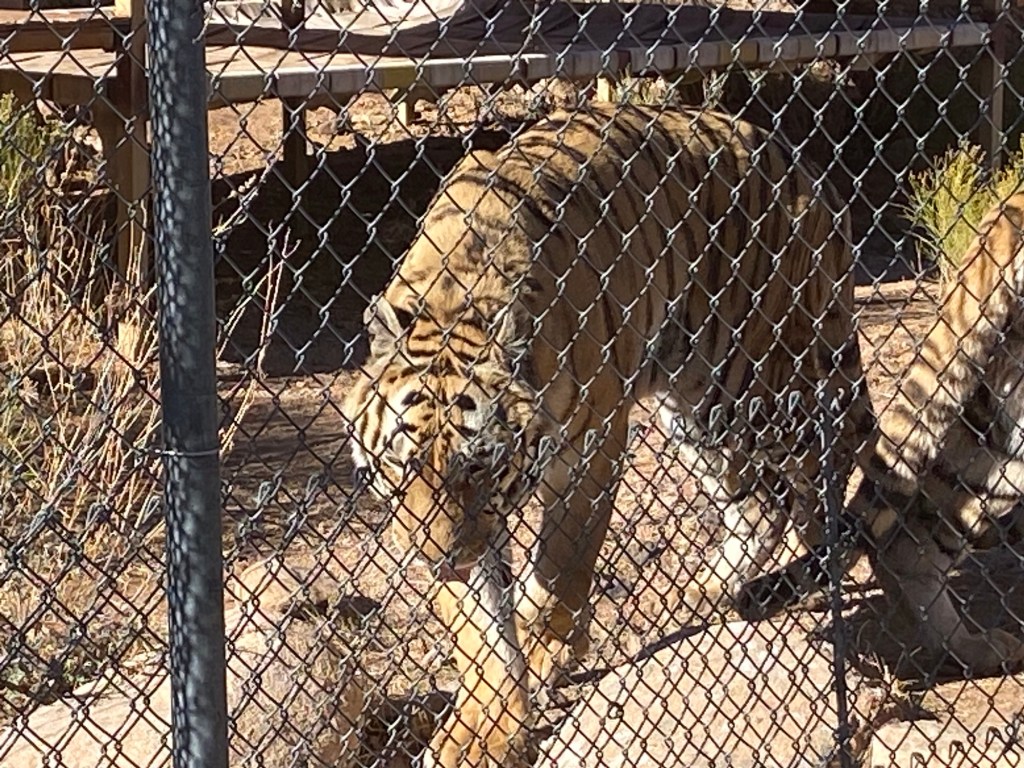
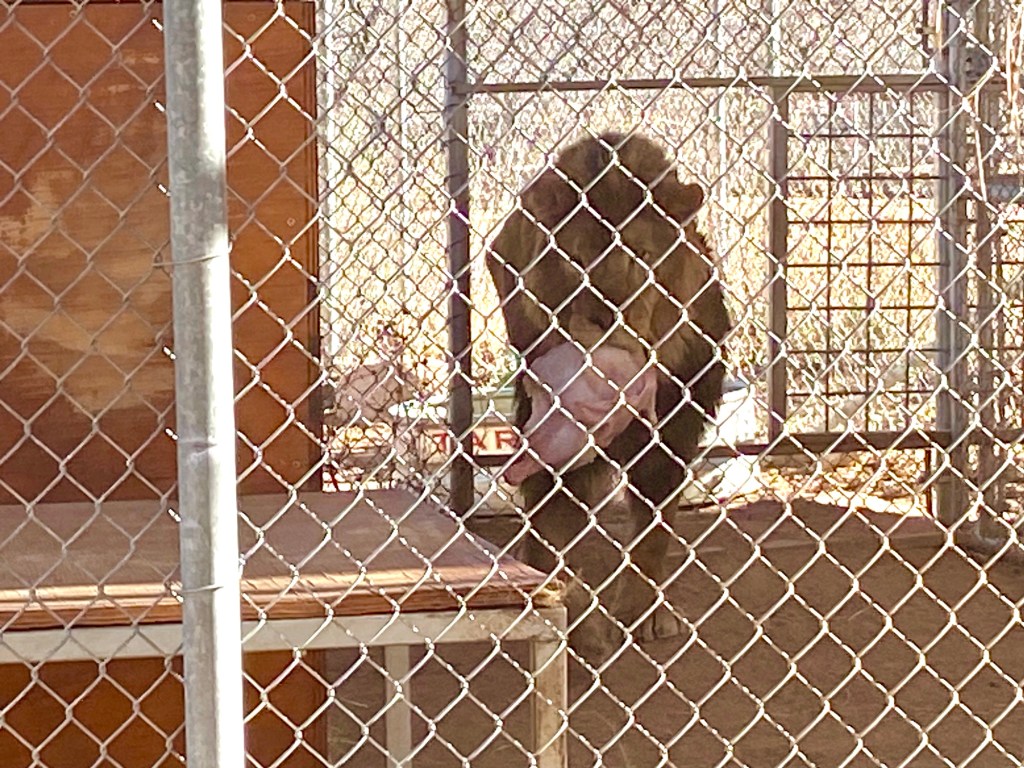
The older I have gotten the less I like zoos. I prefer to see animals in their own habitats. Some zoos do a great job with huge habitats and they can roam in their similar environments and then there are those that do not do this. As a past teacher, I also realize many children would never see live animals like this without zoos. But here at Keepers of the Wild, their animals are primarily here because of the stupidity and cruelty of humans. They have a collection of black bears and a grizzly, all of which came from the movie industry. They have four or five tigers and a lion..all of which were in the photography business as cubs and once they outgrew their usefulness they were sold on the black market for pelts and such. There were also monkeys who were left abandoned after their owners found out how much work and how wild they could be. Some terrible stories that I won’t share here as they broke my heart.
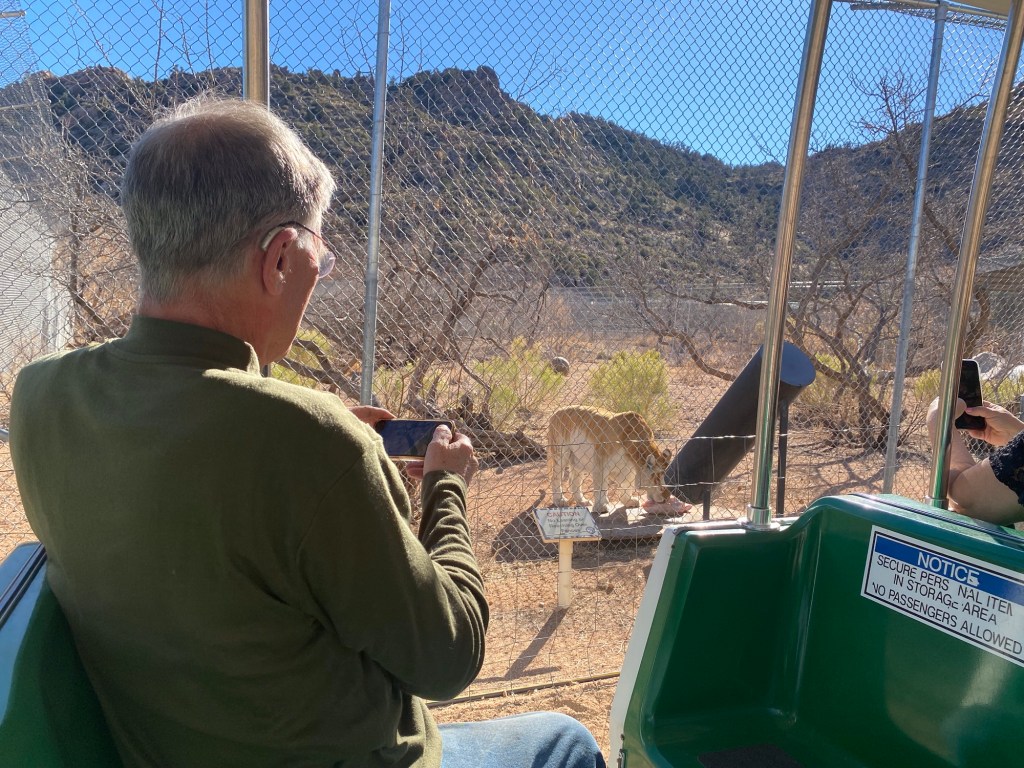
We paid for a tram ride through the park. ( Remember we are dry camping here and so needed to spend money with them , in some way. ) They have 175 acres but the actual caged area is much smaller. Harry and I had some very interesting debates. Our quandary…Is this where you would like to see them live out the rest of their lives? Is there an alternative? What is the answer? We would love to hear your take on this issue but please sign your initials, as for some reason many of the comments are still coming in as anonymous.

 hkdorr
In my opinion, these animals are better off there than they would be sold on the black market or put back into the wild where they couldn’t protect themselves. At least there they are protected from other animals that might do them harm. After being kept as pets or domesticated in other ways, they wouldn’t stand a chance of survival in their natural habitats. It sounds like they are well taken care of there.
DD
Diane, You are pretty much coming down where we eventually came out. I will have to tell you about the camel we saw. It shocked all of us on the tram! Beautiful day today! ❤️